Directory Product Work Across Markets for Thryv
SUMMARY
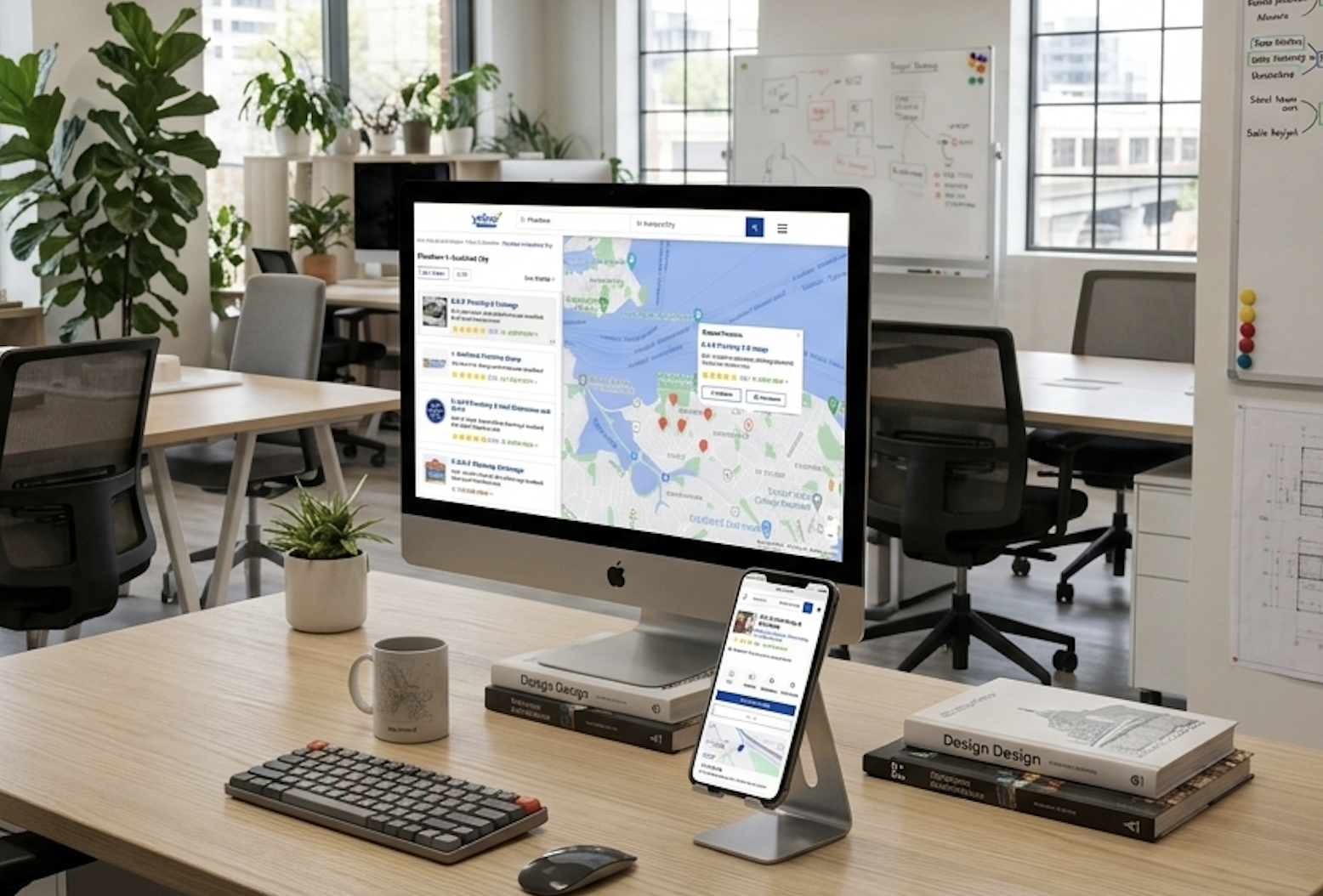
Past the homepage redesigns, the real revenue lived in the product: search results and business profiles. I redesigned both Superpages core surfaces and then rebuilt Yellow Pages New Zealand from the ground up, consolidating four disconnected stacks into one shared system. Click-to-call jumped 24%. Mobile ad performance jumped 22%. Two markets shipped on one codebase.
Role
Product Designer
Team
1 Designer, 3 Engineers, 1 PM
Timeline
2024 to 2026
Tools
Figma, Google Analytics, Hotjar
Skills Used
Product design, A/B testing, data visualization, cross-market design, tech stack consolidation, mobile native design
Click to Call
Mobile Ads CTR
Tech Stacks
Markets Shipped
The homepage brings people in. The product keeps them there. How do you redesign the core search and profile surfaces for conversion, then carry that system across markets?
Act 01
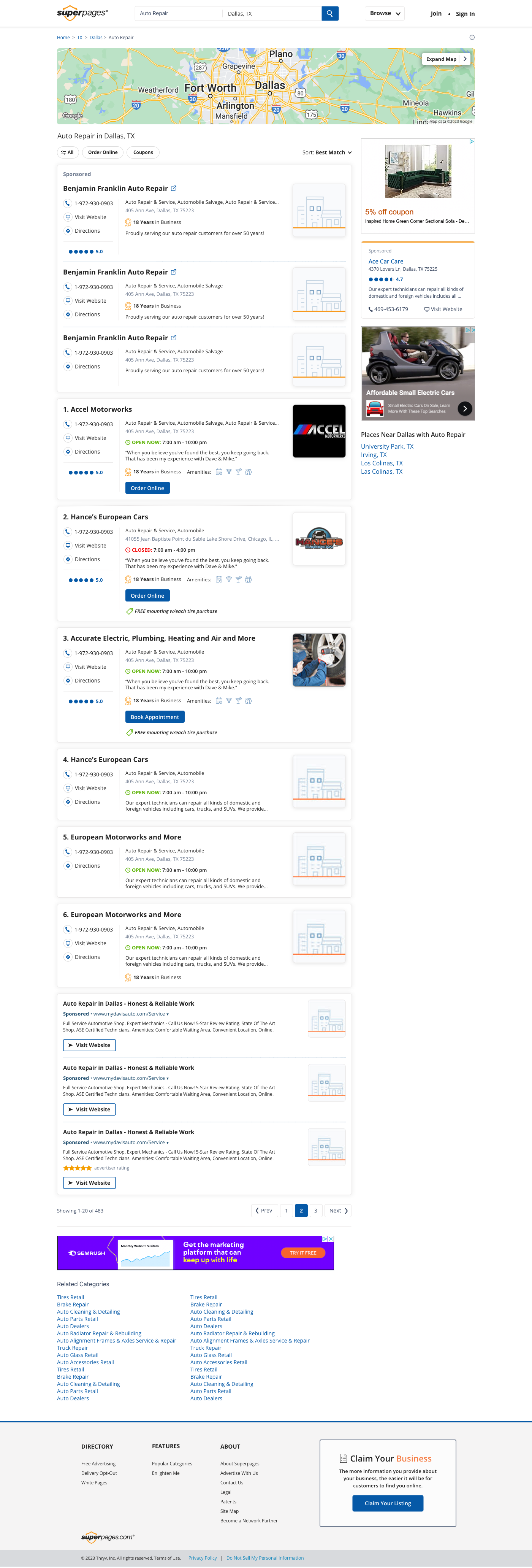
Superpages search results.
The Superpages SERP was the single highest-volume surface in Thryv's US directory network, where ads got seen and clicks got paid. A full information-architecture rethink, with conversion as the only KPI that mattered.
Results · Superpages SERP
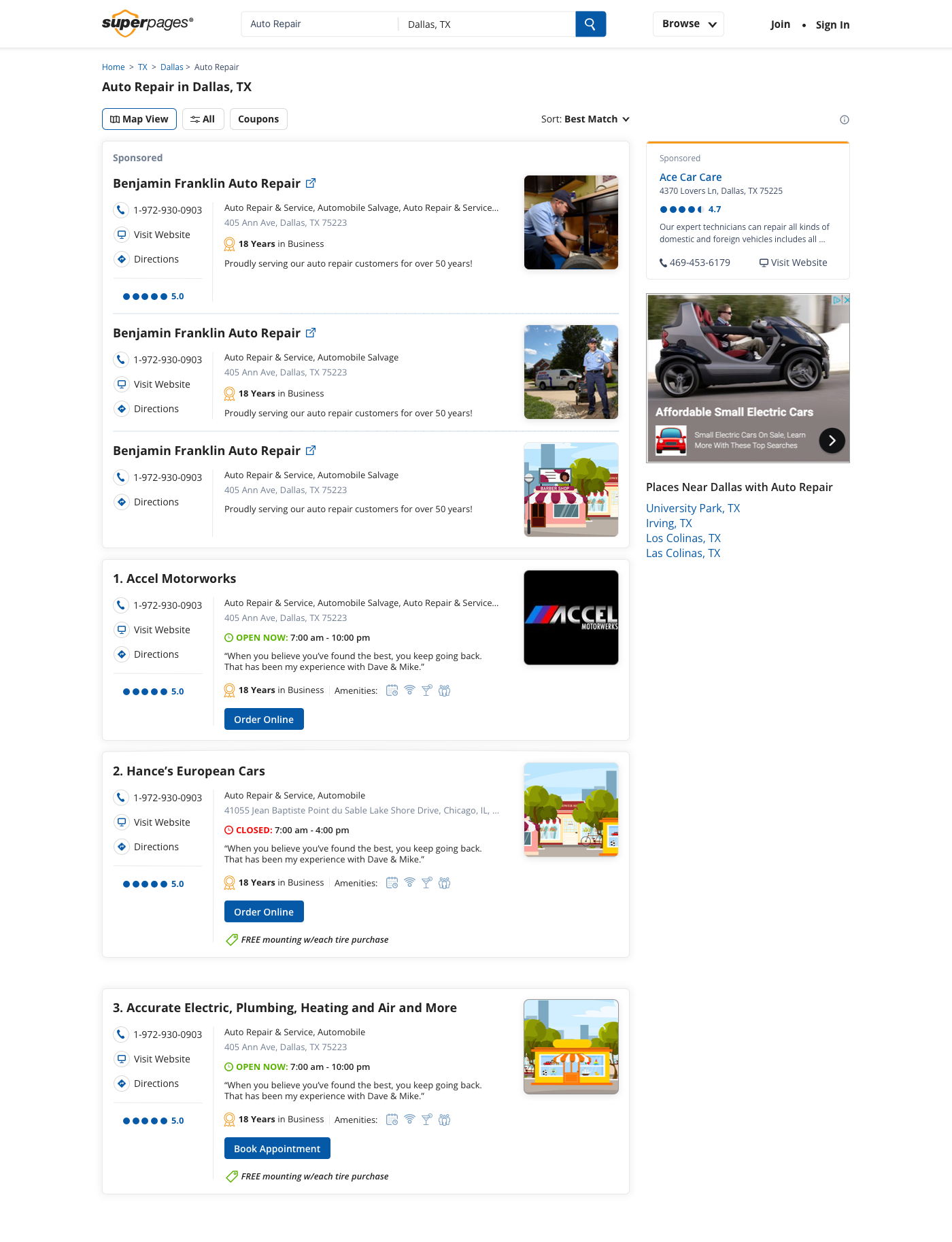
What moved the numbers.
Key design decision
Restructured the mobile SERP to reduce map dominance and surface ads above the fold, where advertisers were paying to be seen. One structural change, 22% CTR lift.
Act 02
Superpages business profile.
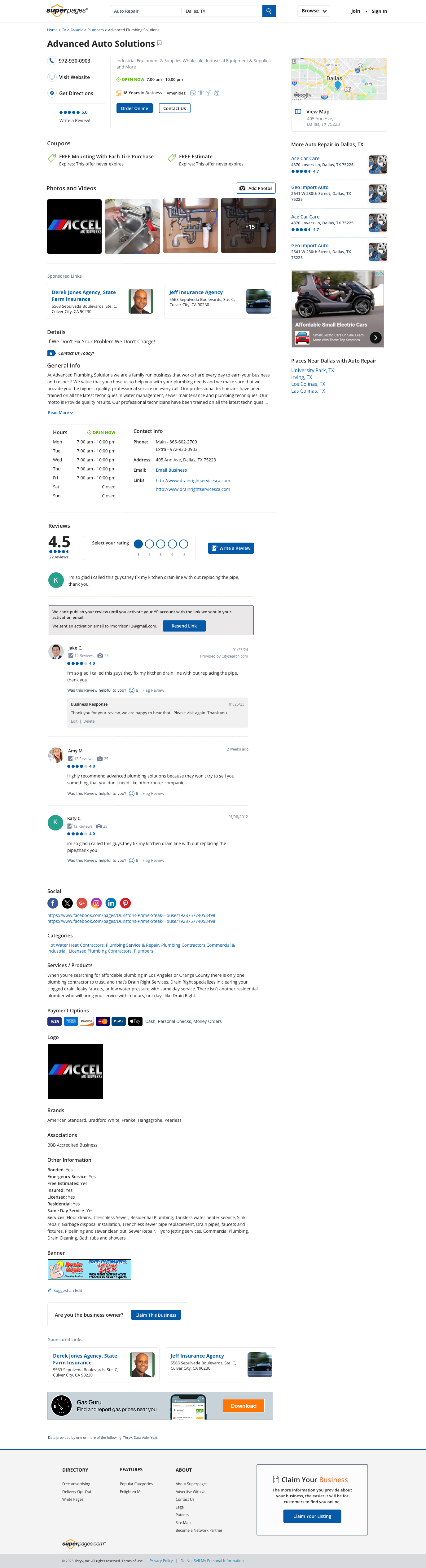
The business profile is where a listing earns its call. I restructured it so the three most valuable actions, call, directions, and quote, lived in the first viewport on every device. Reviews moved up. Photos got their own section. The click-to-call lifted 24%.

Results · Superpages BPP
What drove the 24% click-to-call lift.
What the 24% refers to
Click-to-call was the most valuable action on any business profile, the moment a listing became revenue. Moving the call CTA above reviews and giving it prominent color in the first viewport drove a 24% increase in click-to-call taps, the biggest conversion win of the entire Superpages redesign.
Act 03
Yellow Pages New Zealand.
Then I took the whole system international. Yellow Pages NZ was a full ground-up rebuild: homepage, search, business profiles, and mobile. Four disconnected legacy stacks had to become one, without sacrificing the market-specific design the NZ audience expected.
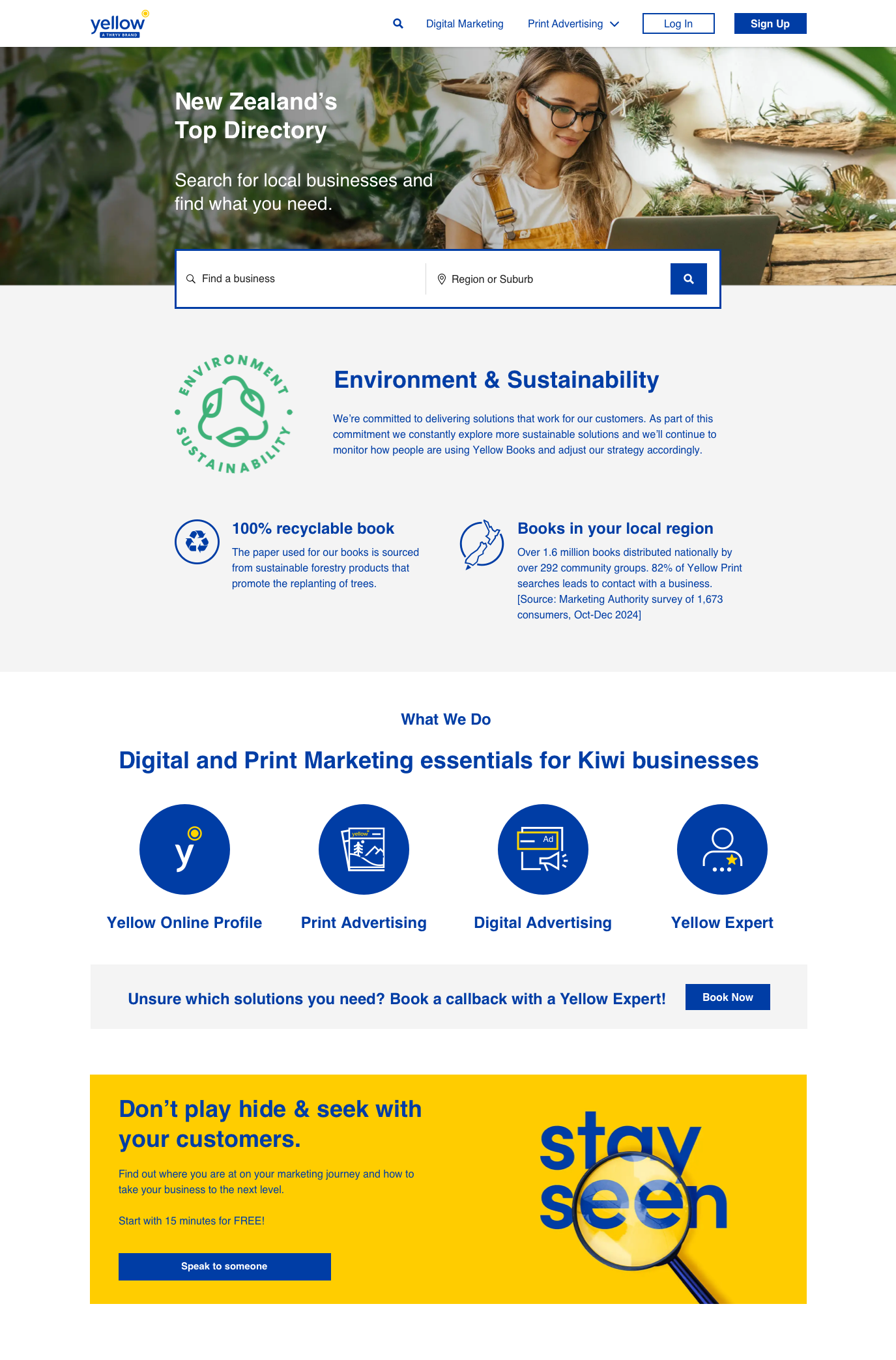
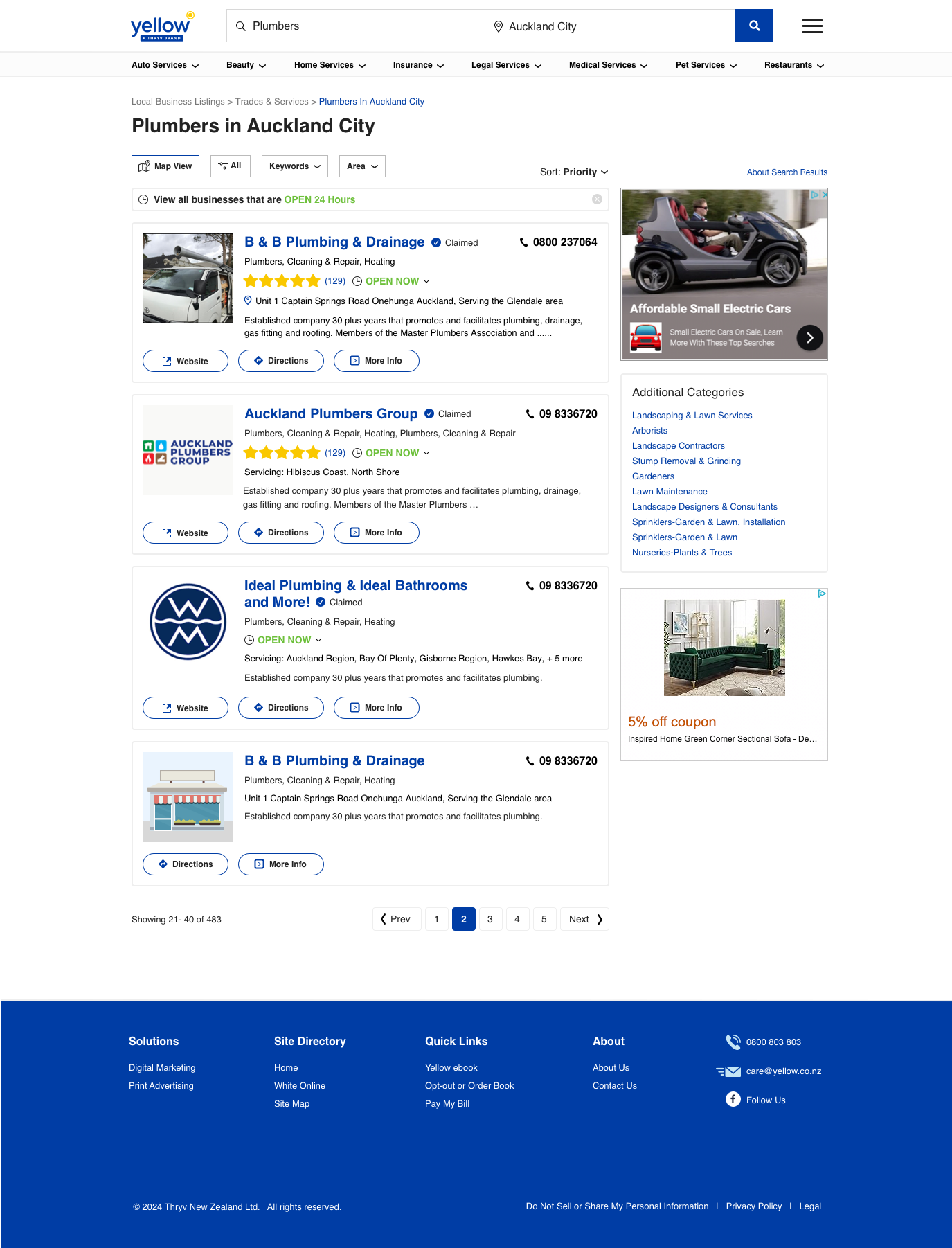
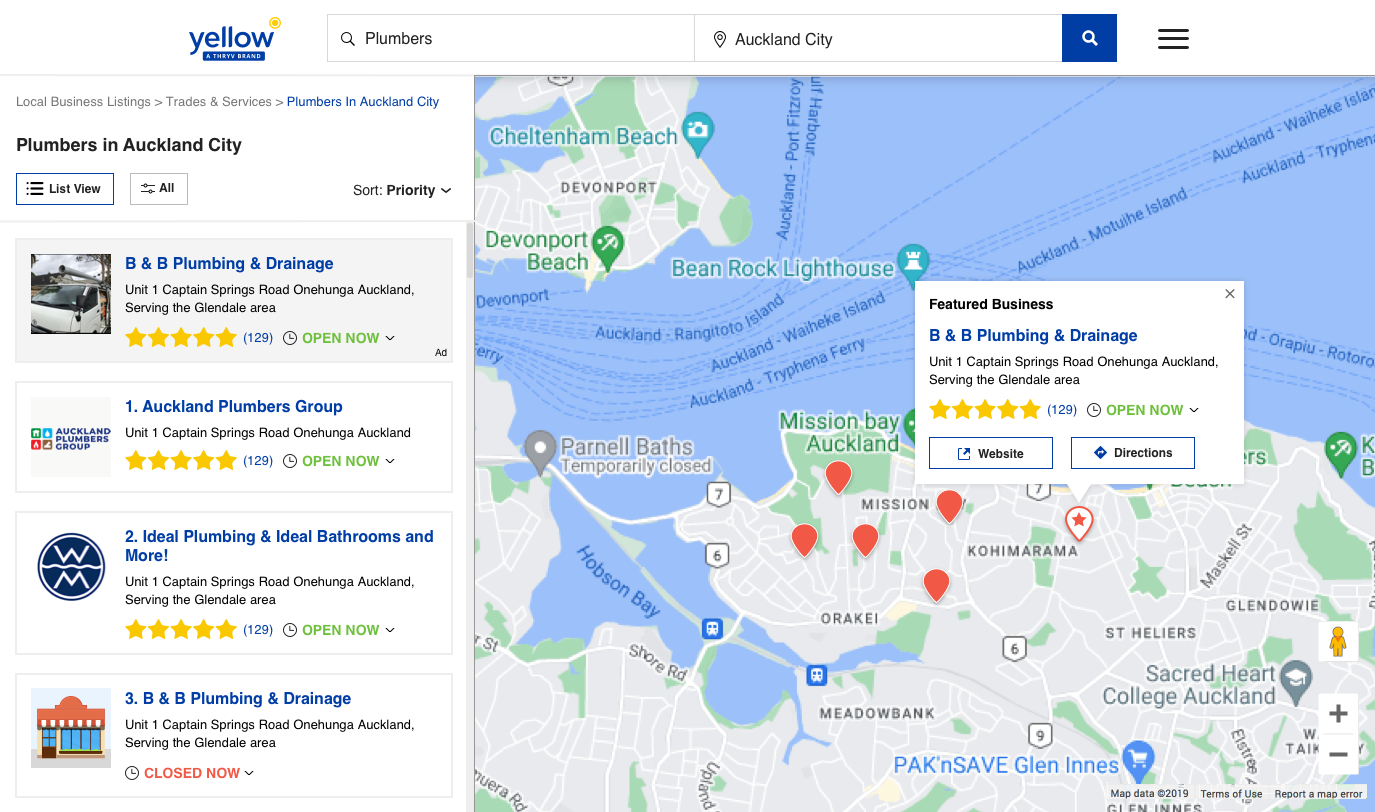

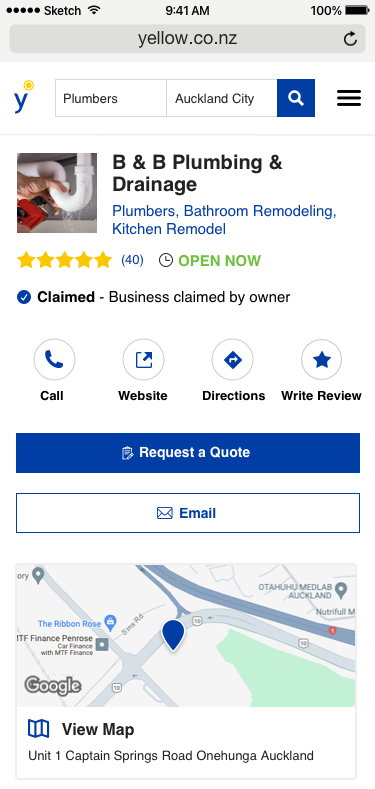
Engineering · Stack consolidation
From four stacks to one.
Before, Fragmented
US platform
Yellow Pages, Superpages, DexKnows
NZ codebase
Yellow Pages NZ on its own stack
AU codebase
Yellow Pages Australia on its own stack
Shared components
Each brand maintained its own
After, One System
One component library, four brands, two hemispheres.
Consolidated US, NZ, and AU onto a single design system and shared component library. Brand identity applied as tokens. Same system, localized experience.
Act 04
Reflections
Reflections
What I Learned
CONVERSION IS A HIERARCHY PROBLEM
The 24% click-to-call lift didn't come from making the button prettier. It came from deciding, again and again, which element mattered most in each viewport.
CONSOLIDATION BUYS TIME
Merging four stacks into one freed weeks of engineering per release. That time went into research and polish, which compounded into every following launch.
LOCALIZATION IS DESIGN, NOT TRANSLATION
NZ users expected different density, different trust signals, different flows. Same system, different market rules, parameterized into the component library.